Eco-Friendly Garden Solutions

Create thriving gardens that work in harmony with nature. Our sustainable planning services integrate composting, native plants, and organic practices.

Sustainable Garden Philosophy

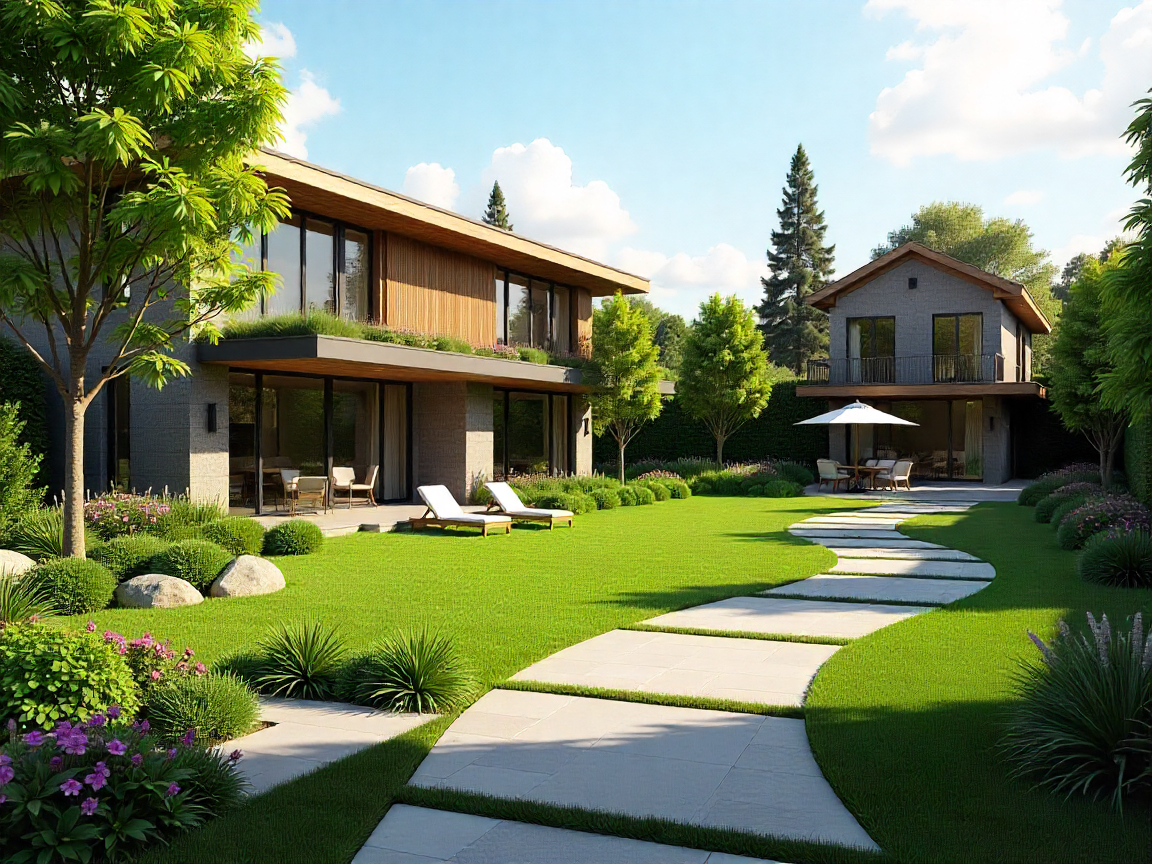
Sustainable garden planning goes beyond aesthetics to create ecosystems that support themselves. We design gardens that require minimal inputs while providing maximum benefits to both you and the environment.

Our approach integrates composting systems, native plant communities, and organic soil management to create resilient landscapes. These gardens not only look beautiful but also contribute to local biodiversity and require less maintenance over time.

Sustainable composting system design

Composting Integration

Effective composting is central to sustainable gardening. We help you establish composting systems that transform organic waste into valuable soil amendments, closing the nutrient cycle in your garden.

Our consulting covers various composting methods suited to different property sizes and needs. From simple backyard bins to larger-scale systems, we provide guidance on setup, maintenance, and optimal use of finished compost in your garden.

Planning Components

Essential elements of sustainable garden design

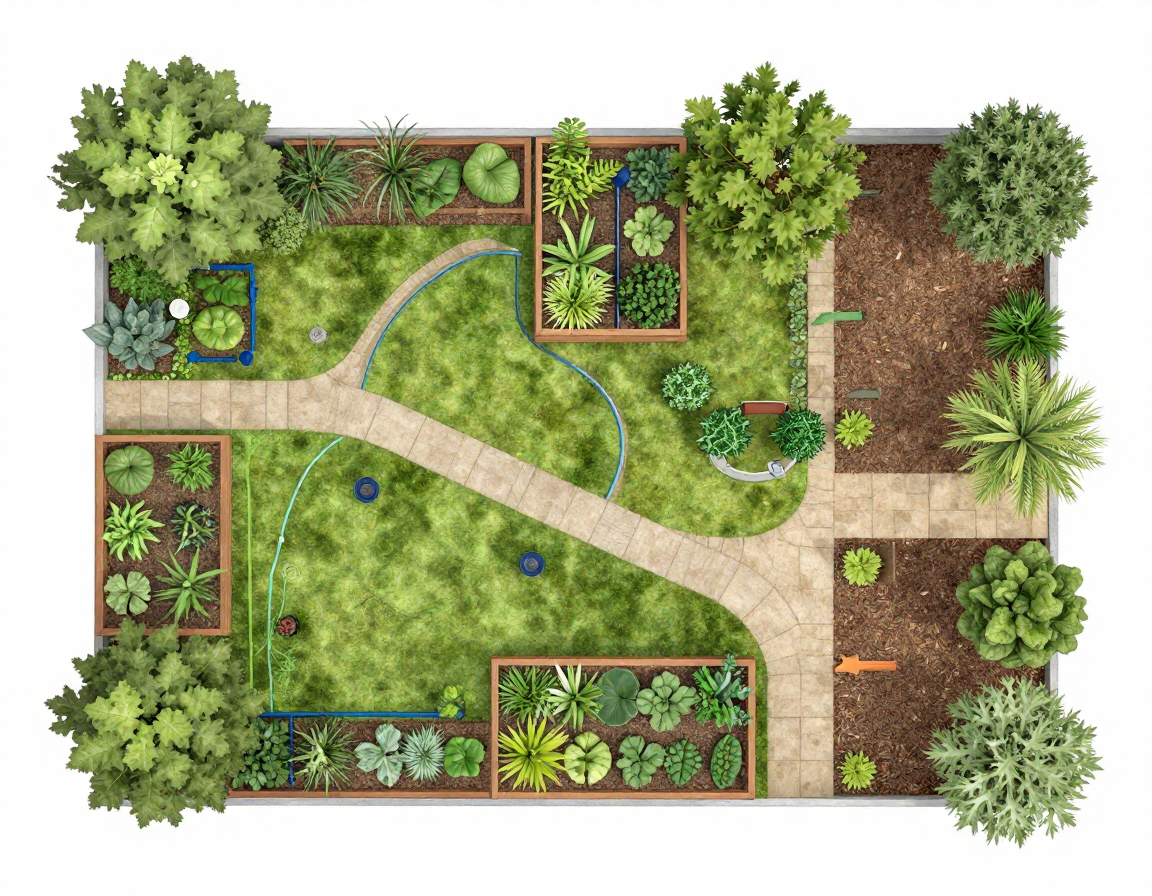
Sustainable garden planning layout

Native Plant Selection

Native plants are adapted to local conditions, requiring less water and maintenance while supporting local wildlife. We help you select appropriate native species that thrive in your specific microclimate and soil conditions.

Soil Health Management

Healthy soil is the foundation of sustainable gardens. We assess your soil and develop management plans that improve structure, fertility, and biological activity through organic amendments and composting.

Water Conservation

Efficient water use is essential for sustainability. We design irrigation systems and plant arrangements that minimize water needs while ensuring healthy growth through appropriate plant selection and soil preparation.

Biodiversity Support

Sustainable gardens support diverse plant and animal communities. Our planning includes elements that attract beneficial insects, birds, and other wildlife, creating balanced ecosystems that reduce pest problems naturally.

Composting Solutions

System Design

We design composting systems tailored to your property size, waste volume, and garden needs. Options range from simple bins to multi-bin systems for larger properties.

Education & Training

Learn proper composting techniques including material selection, turning schedules, and troubleshooting. We provide hands-on guidance to ensure your system succeeds.

Optimization

We help optimize your composting process for faster decomposition and higher quality finished product. This includes carbon-to-nitrogen ratios, moisture management, and aeration strategies.

Application Guidance

Learn when and how to use finished compost in your garden. We provide guidance on application rates, timing, and methods for different garden areas and plant types.

Long-Term Benefits

Sustainable gardens provide lasting value through reduced maintenance requirements, lower resource inputs, and improved environmental outcomes. As these gardens mature, they become increasingly self-sustaining.

The integration of composting creates a closed-loop system where garden waste becomes soil improvement material. This reduces external inputs while building soil health over time, resulting in more productive and resilient gardens.

Environmental Impact

By choosing sustainable garden planning, you contribute to positive environmental outcomes. Native plants support local ecosystems, composting reduces waste, and organic practices protect soil and water quality.

These practices create gardens that sequester carbon, support pollinators, and reduce the need for synthetic inputs. The cumulative effect of many sustainable gardens creates meaningful environmental benefits at the community level.

Start Your Sustainable Garden

Begin planning your eco-friendly garden today

Get Started